Mapping Physics
in Four
Dimensions

A geometric model of the sixteen areas of physics, based on Planck's four fundamental constants and their four-dimensional dual polytope: the hexadecachoron.

Cluster of Excellence Matters of Activity · Humboldt-Universität zu Berlin

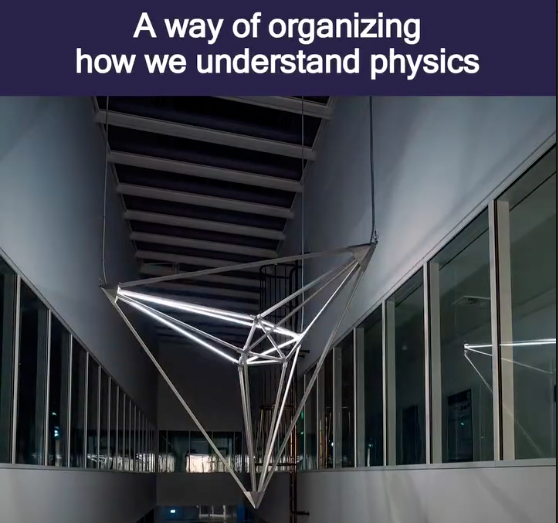
Planck's hexadecachoron — 4D model

Four constants,
sixteen theories

G Newton's gravitational constant
c⁻¹ Inverse speed of light
h Planck's quantum of action
kB Boltzmann's constant

In 1899, Max Planck identified four fundamental constants that define universal units for length, time, mass, and temperature. The Hypercube of Physics builds on this insight: by mapping the 2⁴ = 16 combinations of these constants onto the vertices of a four-dimensional hypercube, each vertex corresponds to a distinct physical theory.

To make this structure tangible, we work with the hexadecachoron — the four-dimensional dual polytope of the hypercube. Its sixteen tetrahedral faces represent sixteen theories, from Newtonian mechanics (0, 0, 0, 0) at the centre to the as-yet-undiscovered Theory of Really Everything (G, c⁻¹, h, kB) at its outer shell.

This project develops physical models, projections, and interactive XR experiences to make this structure accessible to students, educators, and the general public.
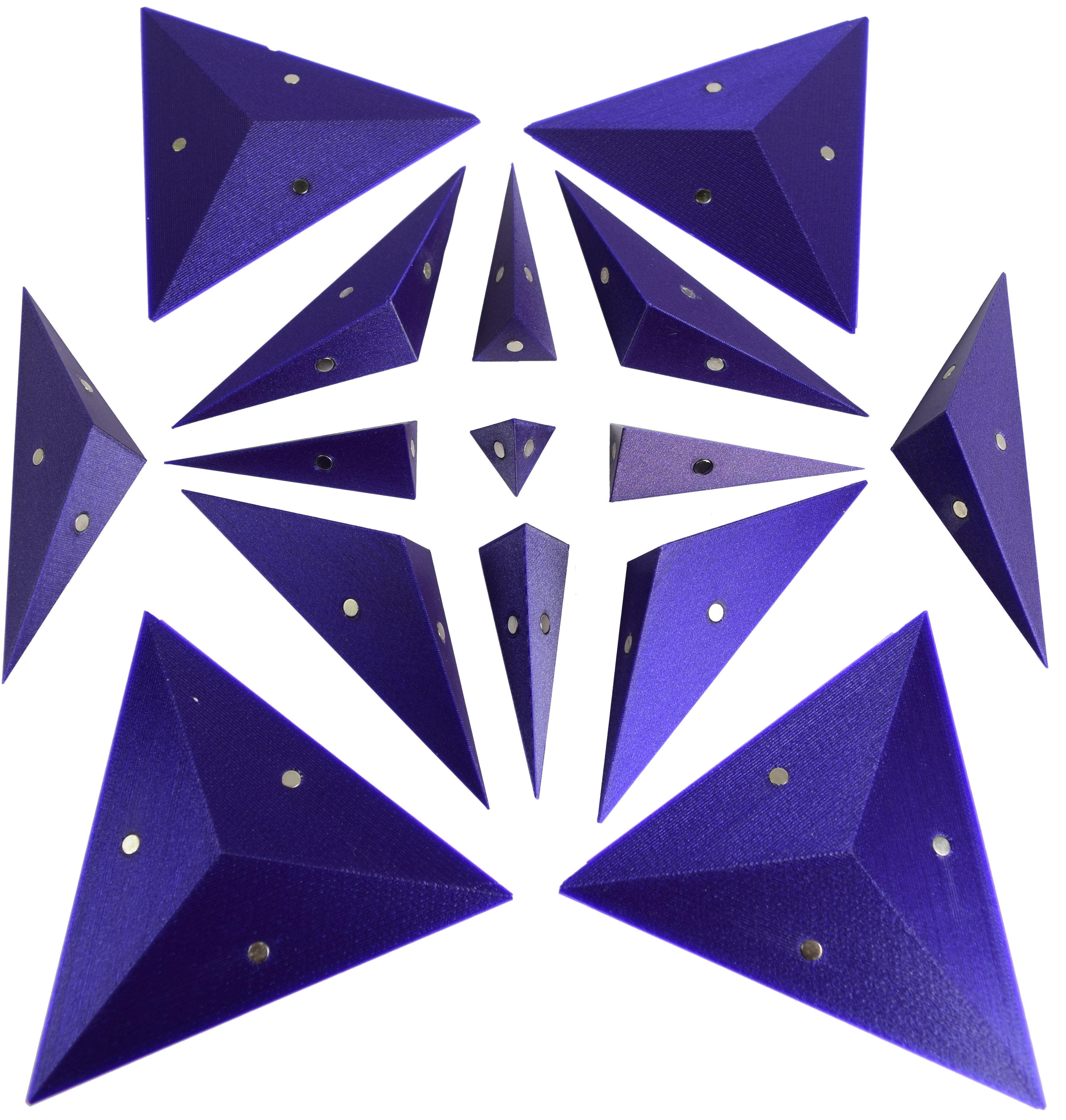
01 — 3D printed

PlanckPlay puzzle

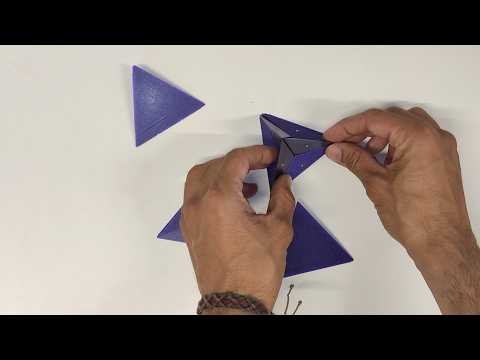
15 modular 3D-printed tetrahedra that assemble into the 16th — the TORE. Designed for home printing, museum use, and classroom exploration. Files available on Thingiverse.

View on Thingiverse →

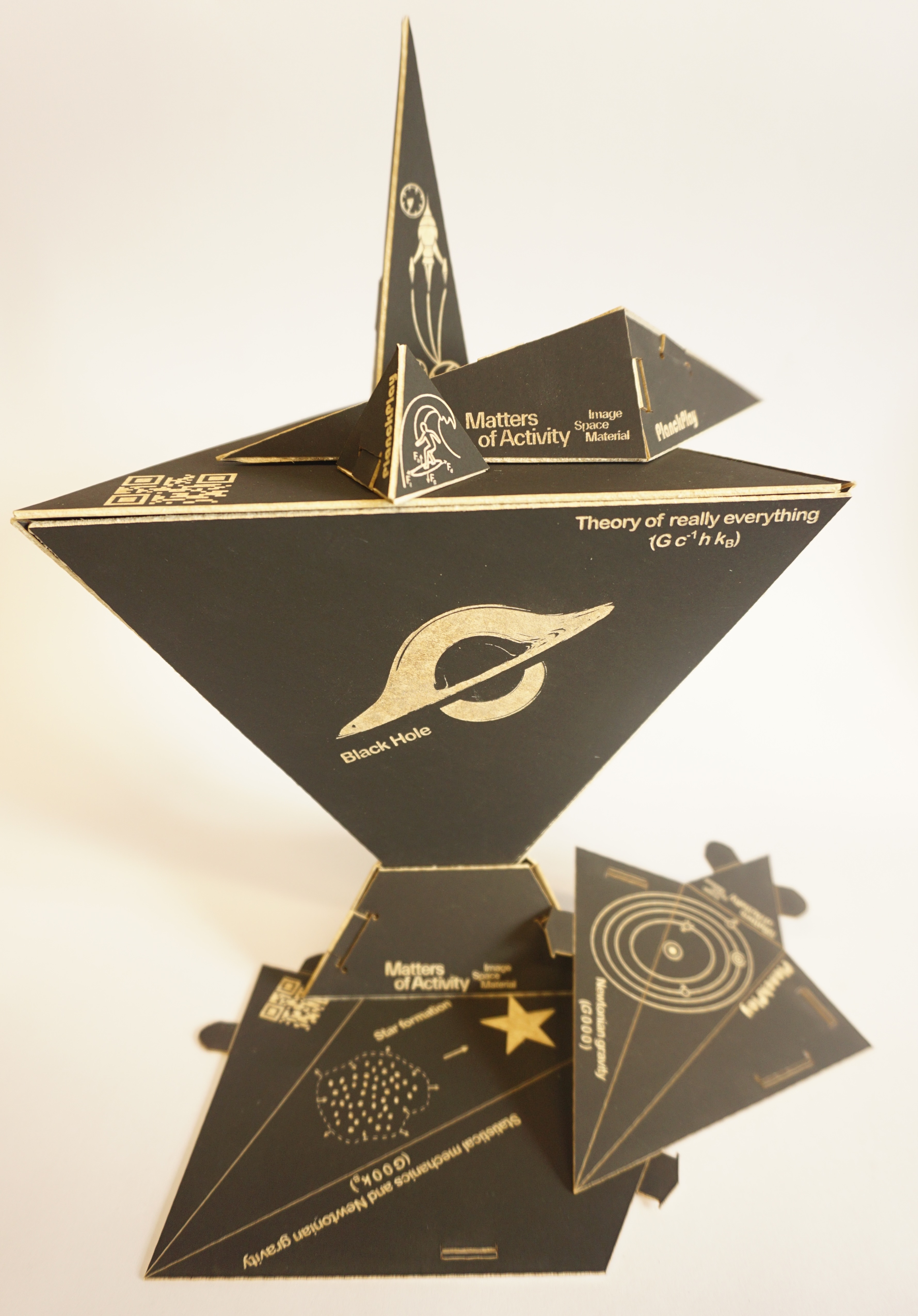
02 — Laser-cut flat pack

Museum edition

Precision laser-cut flat-pack model for museum shop retail. Scored fold lines, slot-together assembly — no glue required. Each face labelled with its corresponding theory.

Coming soon →

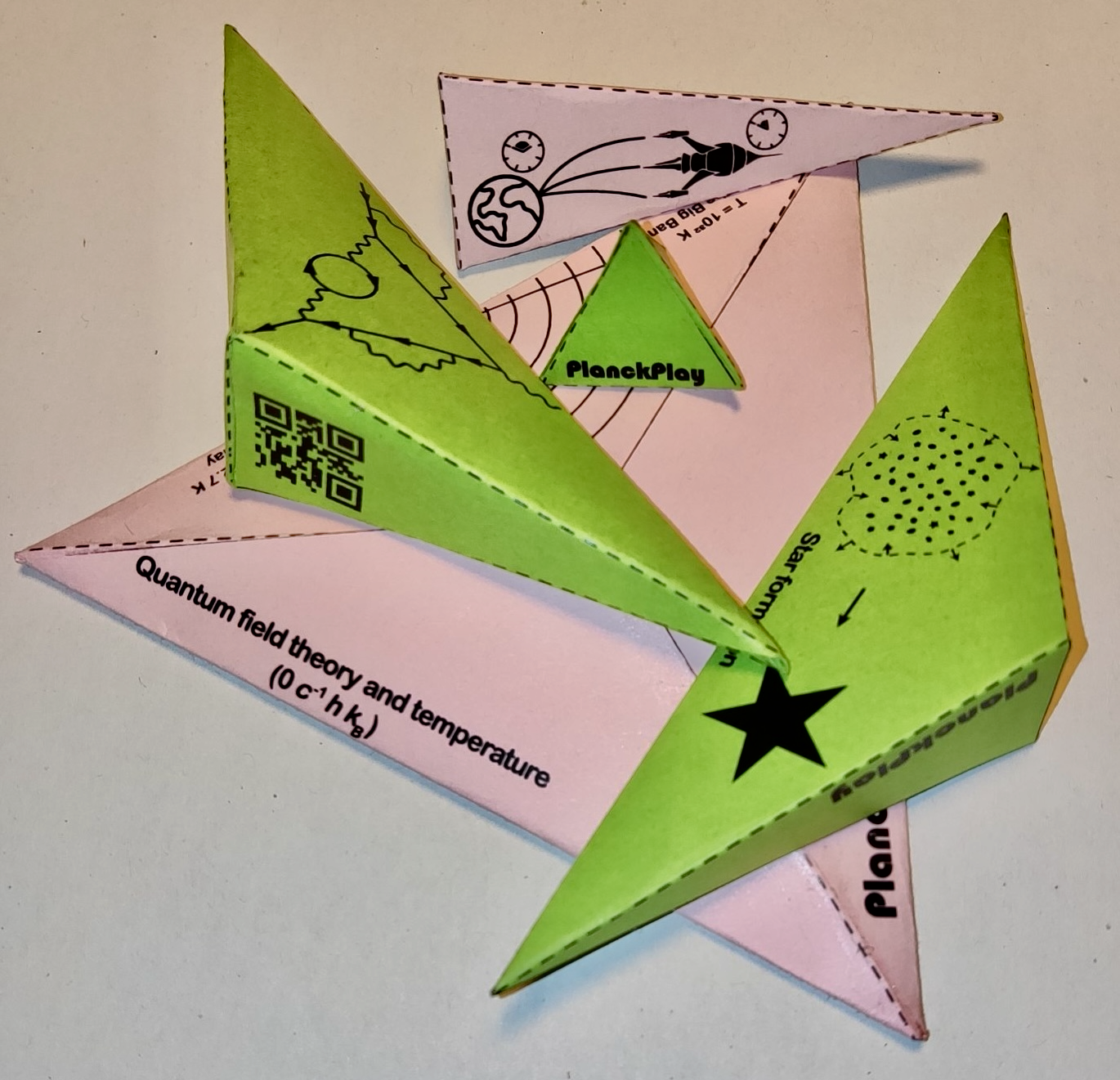
03 — Paper craft

Handcraft edition

Printable net for scissors-and-glue assembly. Designed for classrooms and workshops — each face labelled with its physics theory and Planck constant coordinates.

Download PDF →

A map of
physical knowledge

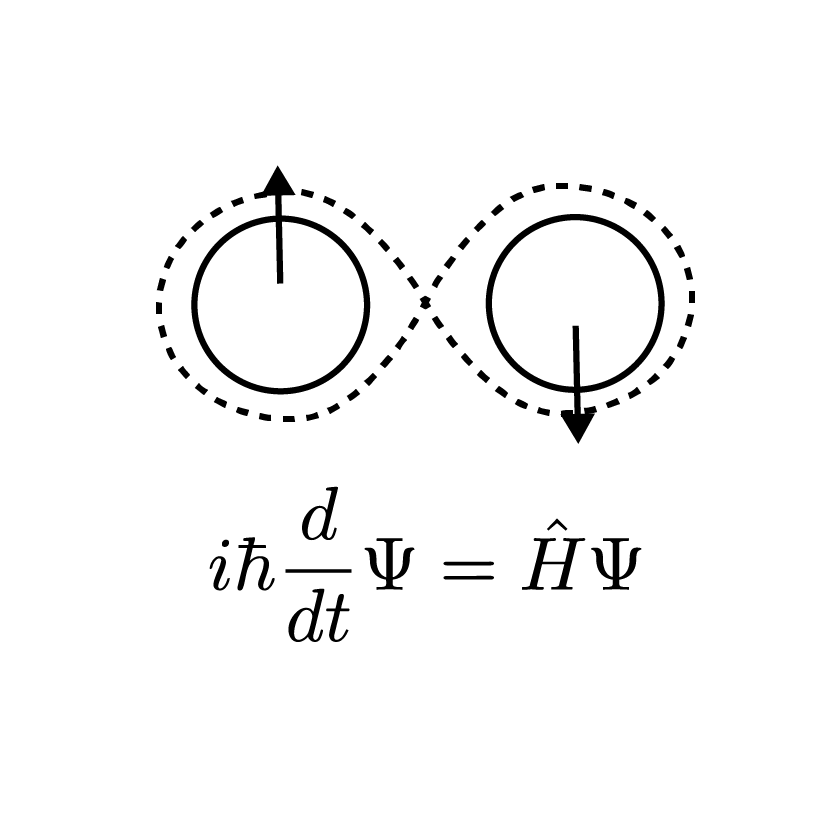
Each tetrahedron in the hexadecachoron corresponds to one of sixteen possible combinations of Planck's constants. Eight are well-established physical theories. Six remain open problems. Two — including the Theory of Really Everything — are speculative frontiers.

(0, 0, 0, 0)
Newtonian mechanics
image placeholder
(G, 0, 0, 0)
Newtonian gravity
image placeholder
(0, c⁻¹, 0, 0)
Special relativity
image placeholder
(0, 0, h, 0)
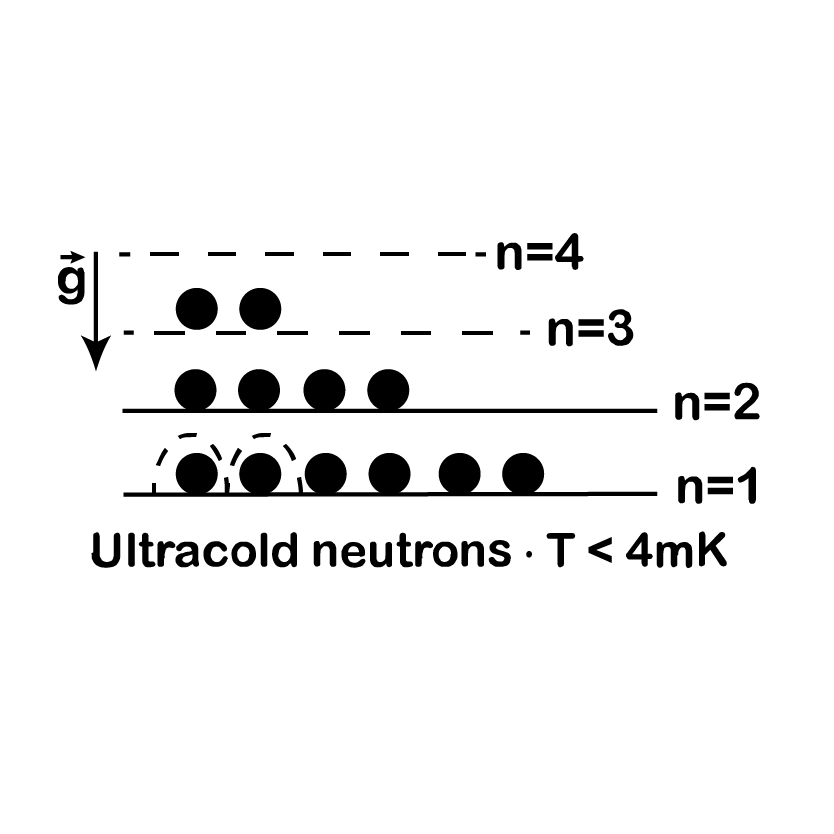
Quantum mechanics
image placeholder
(0, 0, 0, kB)
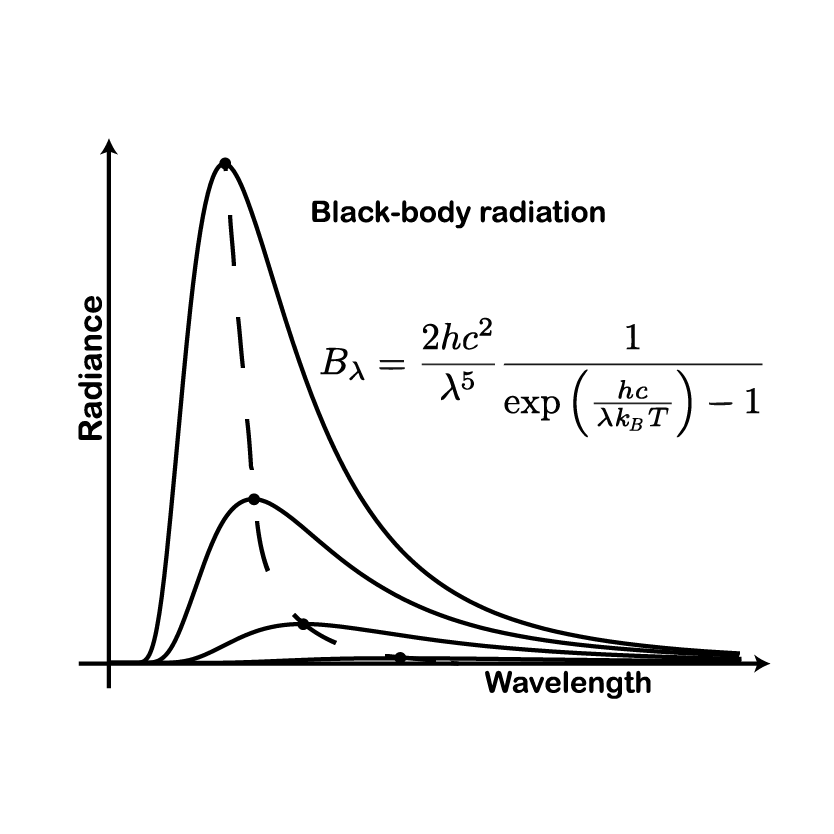
Classical statistical mechanics
image placeholder
(G, c⁻¹, 0, 0)
General relativity
image placeholder
(0, c⁻¹, h, 0)
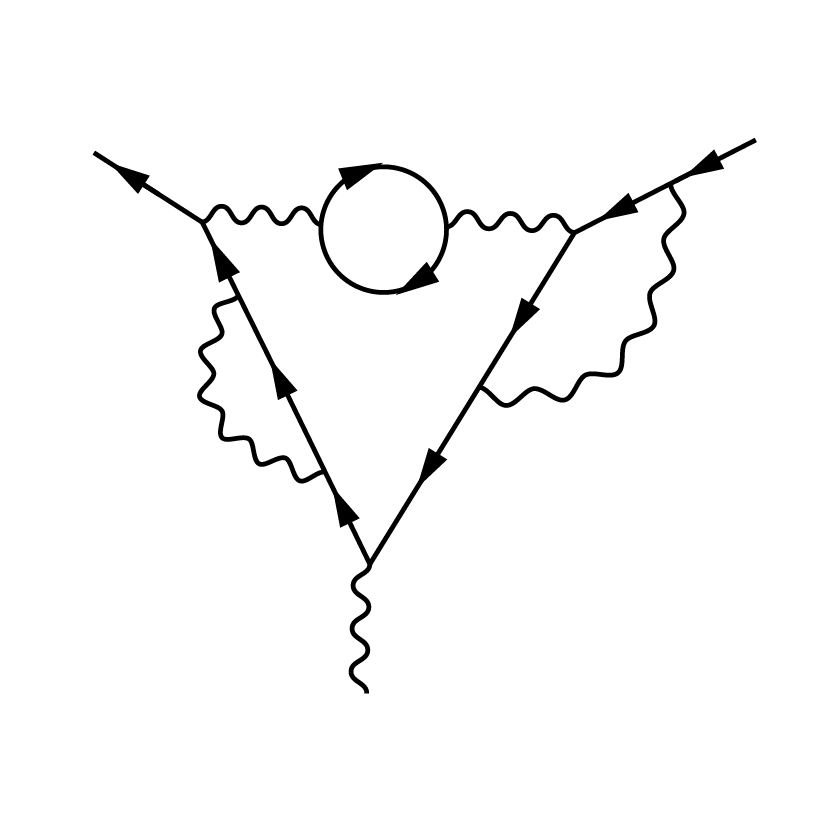
Quantum field theory
image placeholder
(0, 0, h, kB)
Quantum statistical mechanics
image placeholder
(0, c⁻¹, 0, kB)
Relativistic thermodynamics
image placeholder
(G, 0, h, 0)
Non-relativistic quantum gravity
image placeholder
(G, 0, 0, kB)
Gravitational thermodynamics
image placeholder
(0, c⁻¹, h, kB)
Relativistic quantum stat. mech.
image placeholder
(G, c⁻¹, h, 0)
Theory of everything (TOE)
image placeholder
(G, c⁻¹, 0, kB)
Relativistic gravitational thermo.
image placeholder
(G, 0, h, kB)
Quantum gravitational stat. mech.
image placeholder
(G, c⁻¹, h, kB)
Theory of really everything (TORE)
image placeholder

Geometry — projections

From four dimensions
to three

The hexadecachoron and the tesseract cannot be perceived directly. We make them visible through projections — reductions to lower-dimensional representations that preserve the key structural relationships between theories.

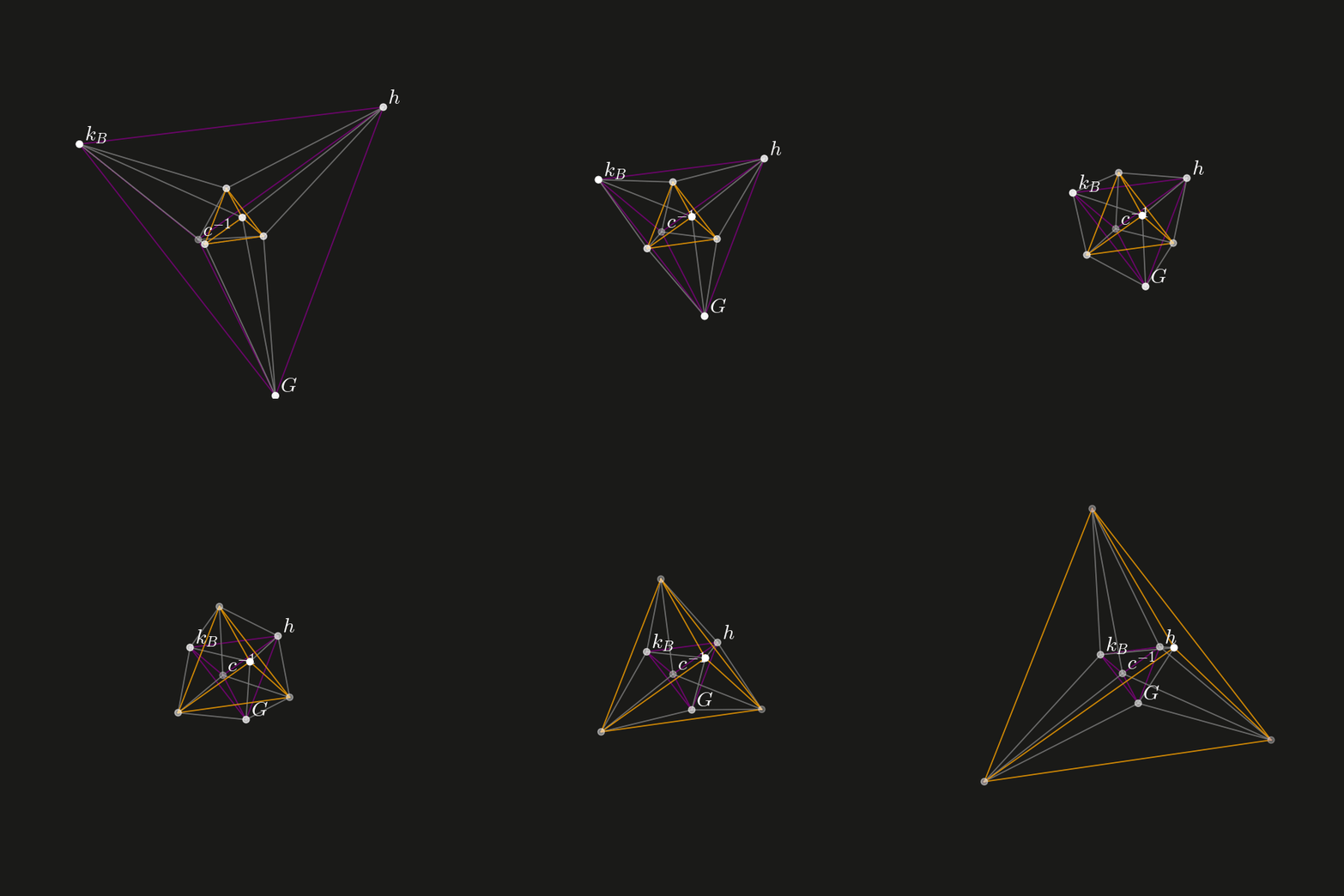
Hexadecachoron projections

The dual polytope of the tesseract, bounded by 16 tetrahedra. Different projection angles reveal the nested tetrahedral structure underlying Planck's model of physics.

Tesseract projections

The four-dimensional hypercube, projected onto 3D and 2D. The Bronstein–Zelmanov cube of physics is a 3D shadow of this structure when the kB axis is removed.

● Coming soon

Explore in extended reality

An XR application that lets you navigate the hexadecachoron in three-dimensional space. Enter each theory, understand its physical significance, and visualise its relationship to neighbouring theories through interactive environments.

The app is being developed as part of a Teaching Portfolio for secondary school physics education.

Register for early access →
XR app preview

Theory in play

Each interactive environment explores one or more of the sixteen theories through play. Navigate phenomena that are normally invisible — from quantum superposition to relativistic time dilation — as spatial, embodied experiences.

Astrophysics · Newtonian gravity · General relativity

Finding your star

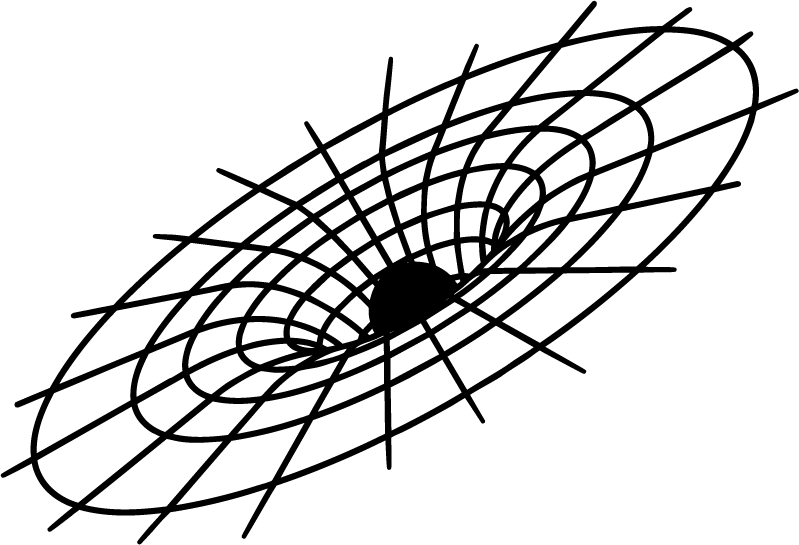
A stellar map of the night sky. Interact with constellations, galaxies, planets, and luminous objects — tracing the physics that governs each one, from Newtonian orbits to relativistic light-bending around massive bodies.

Environment — coming soon

Placeholder

A future interactive environment exploring one or more theories of the hexadecachoron. Proposals and collaborations welcome.